

I didn't learn about MCP servers from a blog post.
I learned the hard way, by duct taping together Python scripts, cron jobs, and half documented APIs until my system technically worked but spiritually felt wrong.
You know that feeling. When your code runs, but every time you touch it, something else breaks.
That was my wake up call. I needed better tools.
Not more abstractions. Not hype.
Just solid, boring, reliable MCP servers and tools that actually respect how Python developers work.
This article is opinionated because it has to be.
I'm not listing everything. I'm listing what's earned my trust.
First: What We're Really Talking About When We Say "MCP Server"
Let's get this straight. An MCP server isn't magic.
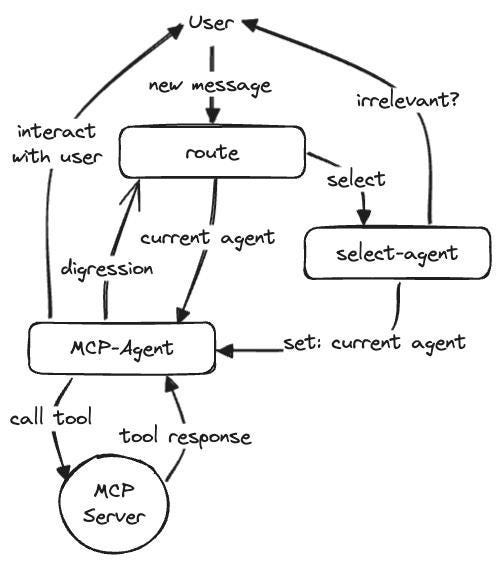
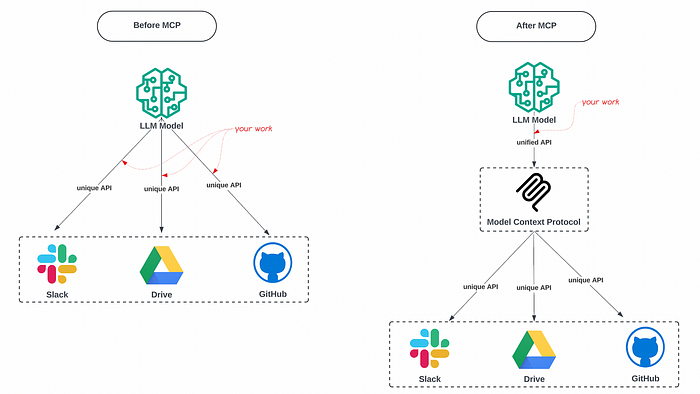
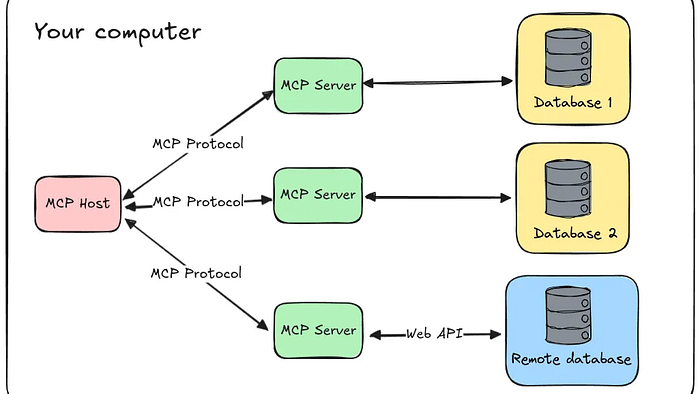
It's infrastructure that manages model context, orchestration, and integration between your Python code, AI models, and the messy real world files, APIs, databases, tools.
If a tool makes your system
- Easier to reason about
- Easier to debug
- Harder to accidentally blow up
It's doing its job.
If it adds five layers of YAML and a Discord community you now need to join?
Hard pass.
Python devs don't want frameworks. We want leverage.
1. LangGraph (by LangChain) — When You Stop Trusting Linear Pipelines
LangGraph exists because linear chains are a lie.
Real systems loop. They branch. They retry. They fail.
And LangGraph finally admits that out loud.
What makes it great
- Explicit state management
- Graph based control flow (actual logic, not vibes)
- Plays nicely with Python typing
I've used LangGraph when agents needed memory and accountability.
Not just "thinking", but structured decision making.
If your agent has more than 3 steps or needs retries, stop using chains. Use a graph.
Reference: https://python.langchain.com/docs/langgraph
2. FastAPI — Still the Backbone, Still Underrated
FastAPI isn't flashy anymore. That's exactly why I trust it.
Most MCP servers eventually need
- A control plane
- A health endpoint
- A way to expose tools securely
FastAPI does this without drama.
Why it stays in my stack
- Async first without pain
- Automatic OpenAPI docs
- Pythonic and readable
I've wrapped more AI tooling in FastAPI than I can count. It scales down and up.
If you're using Flask for new AI infra in 2025, we need to talk.
Reference: https://fastapi.tiangolo.com
3. Redis — The Memory Layer Everyone Pretends They Don't Need
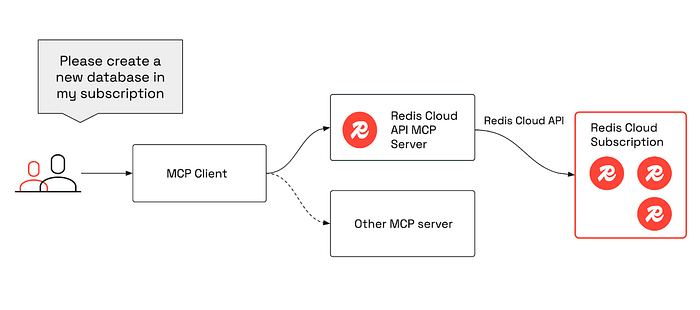
Here's a secret: most "AI memory systems" are just Redis with better marketing.
Redis shines as
- Short-term memory
- Session state
- Rate limiting
- Task coordination
I use Redis when I need speed, simplicity, and zero surprises.
Actionable step: Use Redis for
- Conversation state
- Tool call caching
- Deduplication
Not everything needs a vector database. Fight me.
Reference: https://redis.io
4. Postgres — Boring, Powerful, Unkillable
If Redis is short-term memory, Postgres is your long-term brain.
I trust Postgres because
- I've abused it for a decade
- It forgives mistakes
- It scales further than people admit
For MCP systems, Postgres handles
- Audit logs
- Tool execution history
- User state
- Permissions
Opinion: If your AI system can't explain what it did yesterday, it's not production-ready.
Reference: https://www.postgresql.org
5. Celery — Async Work Without Losing Your Mind
Yes, Celery is old. So are hammers.
Celery works when you need
- Background tool execution
- Retries with logic
- Scheduled tasks
I've seen teams reinvent this with async queues and regret it within weeks.
Use Celery when tool calls take longer than a web request should.
Pair it with Redis or RabbitMQ and move on with your life.
Reference: https://docs.celeryq.dev
6. OpenAI Python SDK — Use the Official Tool, Skip the Clever Wrappers
I've tried the wrappers. I've written my own.
I always come back to the official SDK.
Why?
- Predictable updates
- Clear error handling
- Less abstraction debt
When your MCP server talks to models, clarity beats cleverness.
Example
from openai import OpenAI
client = OpenAI()

response = client.responses.create(
    model="gpt-4.1",
    input="Summarize the last tool execution"
)
Boring code. Reliable behavior. That's the goal.
Reference: https://platform.openai.com/docs
Finally: Tools Don't Save You, Decisions Do
Here's the uncomfortable truth.
Most MCP systems fail not because of bad tools — but because of vague thinking.
If you
- Don't define state clearly
- Don't log aggressively
- Don't test failure paths
No server will save you.
But if you do those things? These tools compound your effort.
This isn't the list. It's my list.
Disagree? Good. Drop a comment.
Clap if this saved you hours. Share it with that teammate who's duct-taping agents together right now.
Or save it for later, because future you will thank you.
And if you're still trying to build AI infra without Redis or Postgres… I wish you luck. You'll need it.